About Azithromycin 500 mg
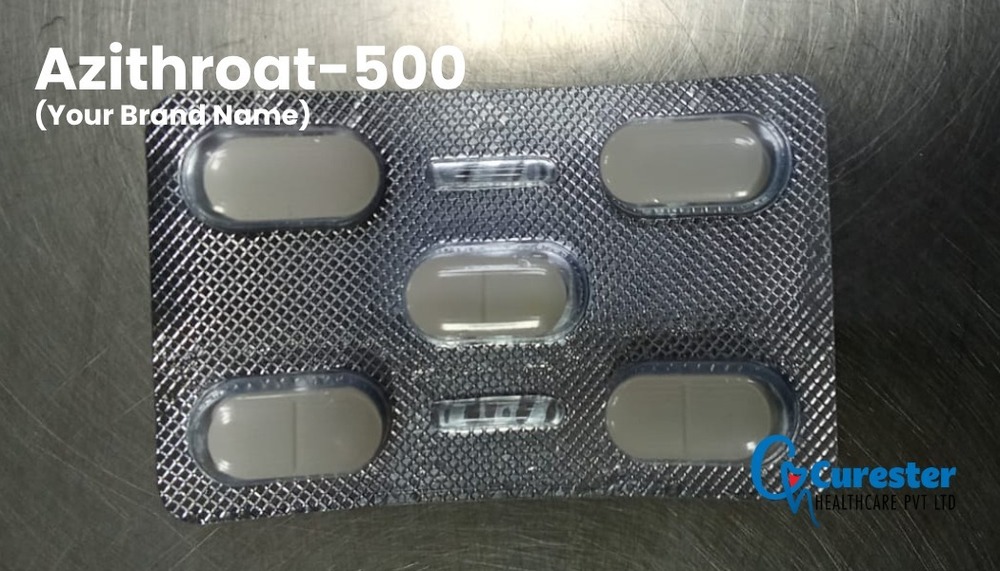
Azithrot 500mg Tablet is an antibiotic used to treat various types of bacterial infections of the respiratory tract, ear, nose, throat, lungs, skin, and eye in adults and children. It is also effective in typhoid fever and some sexually transmitted diseases like gonorrhea.Azithrot 500mg Tablet can be taken with or without food. Take it regularly and at a fixed time. Do not skip any doses and finish the full course of treatment even if you feel better. Stopping the medicine too early may lead to the return or worsening of the infection.
Common side effects seen with Azithrot 500mg Tablet include diarrhea, vomiting, nausea, and stomach pain. These are usually temporary and subside with the completion of treatment. Consult your doctor if you find these side effects worry you or persist for a longer duration.
Do not use Azithrot 500mg Tablet if you have a history of cholestatic jaundice or hepatic dysfunction that can be worsened with the use of Azithrot 500mg Tablet. Inform your doctor if you have any previous history of allergy or heart problems before taking this medicine. Pregnant or breastfeeding women should consult their doctor before using this medicine.
How Azithromycin 500 mg WorksAzithromycin belongs to the macrolide class of antibiotics. It inhibits bacterial protein synthesis, preventing the multiplication and spread of susceptible bacteria. This effectively treats various bacterial infections when taken as prescribed. The medication targets the source of infection, aiding in relieving symptoms and stopping further complications.
Usage and Administration GuidelinesAzithromycin 500 mg is intended for oral use in adults. The tablet should be swallowed whole with water; do not crush or chew. Dosage is determined by your physician based on the type and severity of infection. For best results, follow the prescribed course even if symptoms improve early. Always adhere to storage guidelines to maintain efficacy.
Benefits and PrecautionsThis medication provides effective treatment for a range of bacterial infections, often leading to quicker recovery and reduced risk of complications. However, it is essential to avoid use if you have hypersensitivity to azithromycin or related antibiotics. Be aware of possible side effects such as nausea or diarrhea, and consult your doctor if severe reactions occur.
FAQ's of Azithromycin 500 mg:
Q: How should Azithromycin 500 mg tablets be taken for best results?
A: Azithromycin 500 mg tablets should be taken by mouth as directed by your physician, with or without food. Swallow the tablet whole-do not crush or chew. Complete the entire prescribed course for the most effective treatment, even if symptoms improve early.
Q: What types of infections can Azithromycin 500 mg treat?
A: This medication is indicated for treating a range of infections caused by susceptible bacteria, such as respiratory tract infections, skin infections, ear infections, and certain sexually transmitted diseases.
Q: When is Azithromycin 500 mg not recommended for use?
A: Azithromycin should be avoided in individuals with known hypersensitivity to azithromycin, erythromycin, or other macrolide antibiotics. Always consult your physician before starting this medication to ensure it is safe for you.
Q: Where should Azithromycin 500 mg tablets be stored?
A: Store the tablets in a cool, dry place below 30C, away from light and moisture. Keep the medication in its original blister packaging until use to maintain stability and potency.
Q: What side effects may occur while taking Azithromycin 500 mg?
A: Common side effects include nausea, diarrhea, abdominal pain, and occasionally allergic reactions. If you experience severe or persistent symptoms, seek medical advice promptly.
Q: What is the benefit of using Azithromycin 500 mg for bacterial infections?
A: Azithromycin effectively eliminates susceptible bacteria, leading to symptom relief, faster recovery, and prevention of infection-related complications when taken as prescribed.
Q: What should I do if I miss a dose of Azithromycin 500 mg?
A: If you miss a dose, take it as soon as you remember. If it is almost time for your next dose, skip the missed dose and continue with your regular schedule. Do not take a double dose to compensate.









 Send Inquiry

 Send Inquiry
